Household tasks can be easier when the home and the support around it suit the person. These practical ideas cover sensory needs, cooking, clear instructions and visual prompts, with resources for adults with learning disabilities, autistic people, families and the people supporting them.
Contents
What is a learning disability?
A learning disability affects how someone understands information and learns skills. The support needed is different for each person: some people need help with particular tasks, while others need support throughout the day. The NHS introduction to learning disabilities explains more.
A person may also be autistic or have other health or support needs. Autism and learning disability are different, and neither tells you everything about someone’s abilities, preferences or ambitions.
Independent living with support from Zetetick
Zetetick is a specialist supported housing charity. We provide housing management and tenancy support for people with learning disabilities, autism, mental health needs and other complex needs. Care partners provide personal care and day-to-day support.
Household tasks can feel daunting when the instructions, equipment or environment are difficult to use. Small changes, agreed with the person, can make a difference. Start with what they want to do and the help they find useful.
Home design and layout ideas
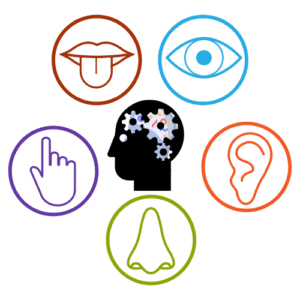
Some autistic people experience sound, lighting, textures or smells intensely; others seek more sensory input. There is no single colour scheme or lighting choice that suits everyone.
Ask what feels comfortable. It may help to reduce glare, make a quieter space, keep frequently used items easy to find or use storage that makes the room less cluttered. Try manageable changes and notice whether they help, rather than changing everything at once.
The National Autistic Society explains sensory differences and ways to offer support. Speak to the housing team before making alterations to a rented home; an occupational therapist may help where specialist adaptations are needed.
Cooking tips and resources

Cooking involves several tasks at once. Breaking a recipe into small steps, showing the ingredients and equipment first, and allowing enough time can make it easier to follow. Choose food the person enjoys and agree what help they need with hot surfaces, knives and food safety.
United Response’s CookABILITY videos show recipes step by step and were made with people with learning disabilities. The resource page also includes an ingredients list and transcript for its chow mein recipe.
Pictures can help show actions that written recipes sometimes assume, such as washing hands, turning equipment off and serving the food. Support should fit the individual and any agreed dietary or eating and drinking guidance.
Visual supports for other situations
Photographs, symbols, written lists and real objects can help make a task clearer. The National Autistic Society’s guide to organising and prioritising describes practical approaches.
For example, labelling drawers or storage boxes with words and pictures may make it easier to find things and put them away. A short checklist can show the order of a task. Choose prompts the person understands and wants to use, and give them time to work through each step.
Aaaand relax
Here at Zetetick, our BEDROCK values guide how we work with people and look after their homes. Independence can include asking for help; it does not mean doing every household task alone.
We hope these ideas help make daily tasks more manageable and the home a comfortable, relaxing place to be.
For a problem with your Zetetick home, report a repair or contact our housing team. Find more practical guidance in Housing Information and Advice.


 Sussex charity walk: Hike4Homes 2026 archive
 Giving: ways to support Zetetick without spending money
 Life partners - Rosie's story
 A day in the life of our charity staff and volunteers
 Unlocking Homes Together: Supported Living Partnerships